Before the first bell rings in the Clinton School District, kitchen lights are already on, ovens are heating up, and staff are preparing hundreds of meals that will fuel students through the day. What may seem like a simple lunch period is actually the result of a carefully coordinated effort that starts hours earlier and spans every building in the district.
For Ashley Kelso, Director of Food Service with Southwest Foodservice Excellence, the job goes far beyond simply serving meals. It involves overseeing staff, designing menus, tracking participation, and making sure students are both fed and satisfied.
Kelso said her role centers on giving each kitchen the tools it needs to succeed while also keeping a close eye on day to day operations.
“I make sure they all have the proper equipment, the tools and training to make sure we’re serving great meals for the kids” Kelso said. “I go around to each building each day, check on them, see what they need.”
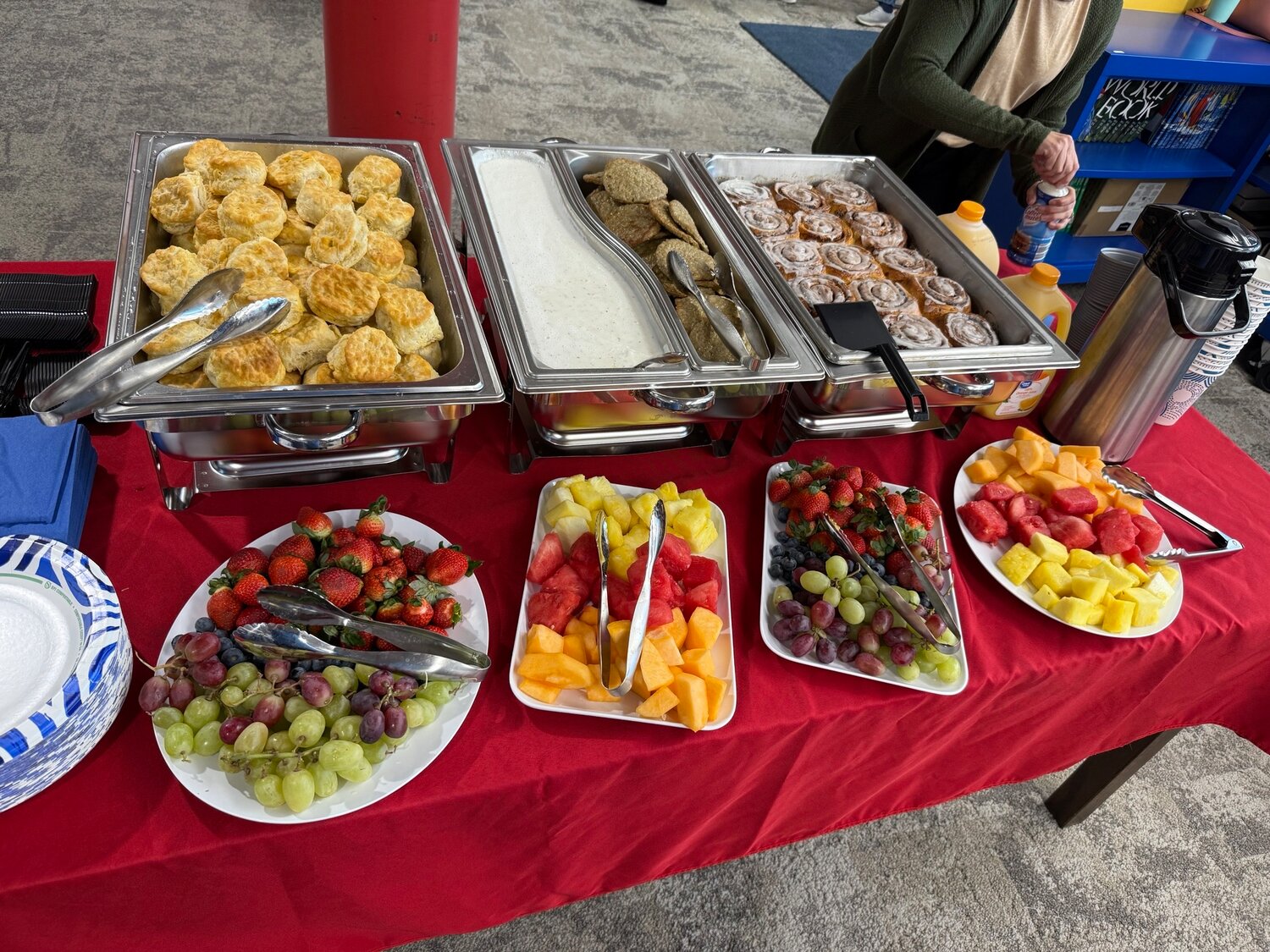
Across the district, that work translates into a large-scale operation. Each school building serves between 230 and 250 lunches daily, along with about 150 to 200 breakfasts. Pre kindergarten programs add another layer, with roughly 50 lunches and around 100 breakfasts served each day.
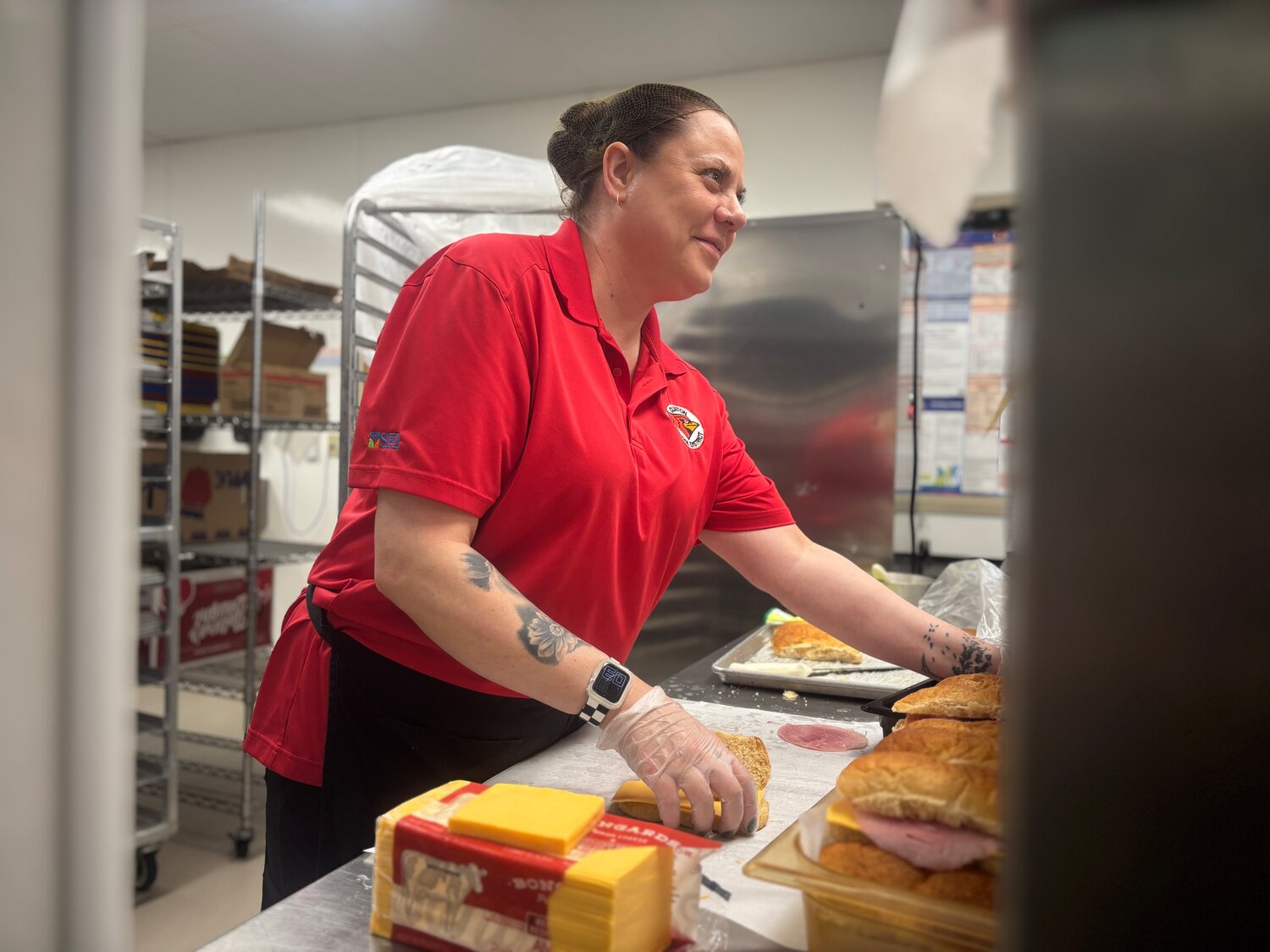
Behind those numbers is a team effort. Each building has multiple staff members working together rather than assigning cooking to a single person. Kitchens typically have four employees, while the high school operates with six due to a wider variety of options and additional serving stations.
The day starts early. Kitchen managers arrive around 6 a.m. to begin preparing breakfast before moving into lunch prep once morning service wraps up. Staff work to estimate how much food is needed to avoid waste while still ensuring every student has access to the same options, regardless of when they go through the line.
“We’re very big on making sure that we have the same amount of offering from beginning to end” Kelso said. “We don’t want any kid to feel like they didn’t get what they wanted.”
Menu planning is another major part of the process. While there is a core menu provided by the company, Kelso tailors offerings to each building based on student preferences. That means what is served at the elementary level may differ from what is offered at the middle or high school.
While Kelso makes the hard choices for what is on the menu, input on this delicious decision is not a one way street. Kelso said participation numbers and direct conversations with students and staff help determine what stays on the menu and what gets removed.
“If our numbers were a lot higher one day, maybe we should menu that item a little bit more. If our numbers drop way off, then we know that’s not something they really want” she explained.
In some cases, students have even been given a direct voice in menu development. Kelso has previously organized student focus groups where participants review potential menu items and select dishes they would like to see served.
The district also emphasizes flexibility and choice. Younger students may have three options each day, while middle school students have around five and high school students can choose from as many as seven or eight, along with a full salad bar.
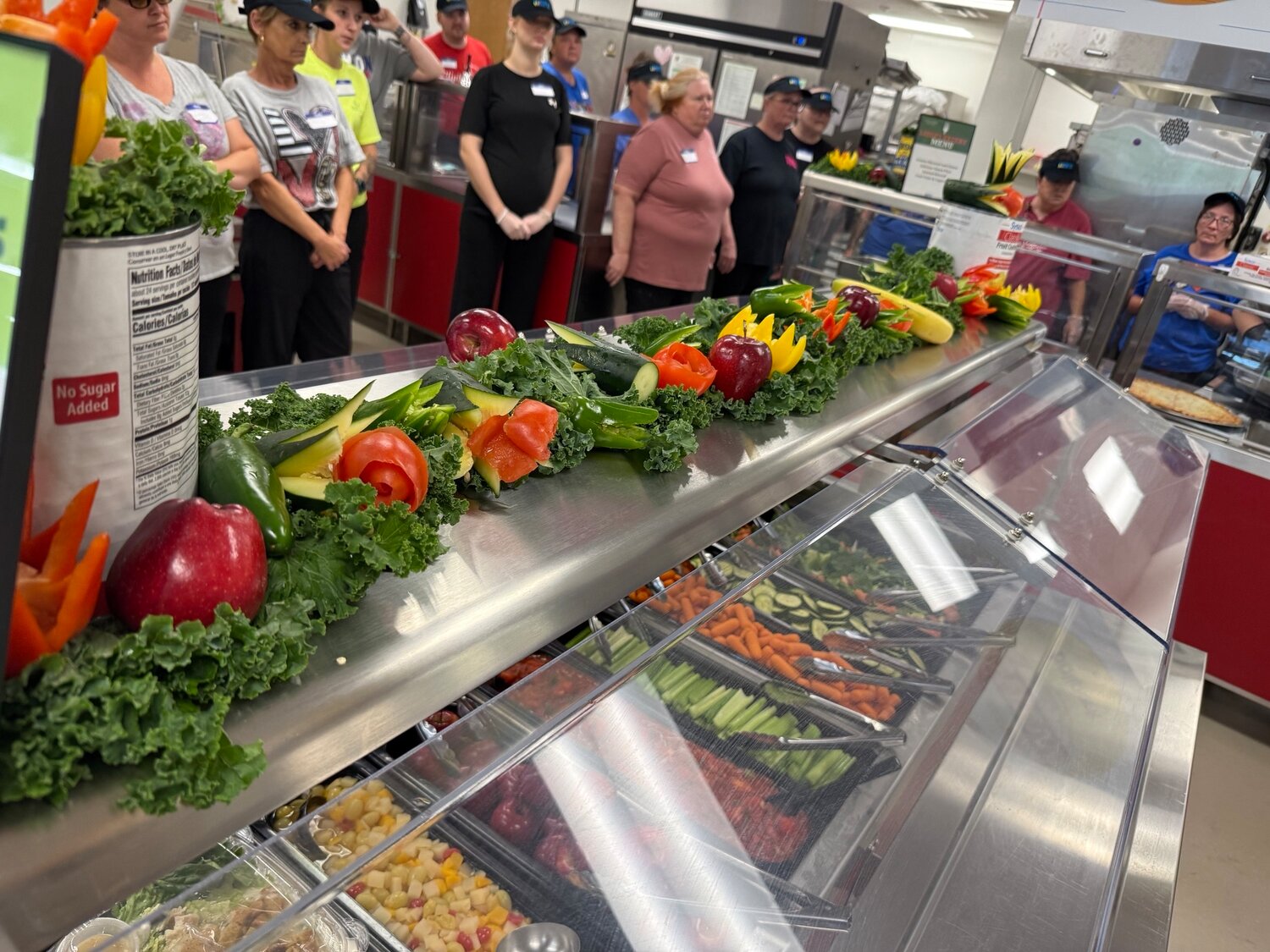
That variety is a significant shift from past school lunch models, where students often had little choice in what they were served. Now, students can decline certain items and replace them with fruits or vegetables, helping them maintain some control over their meals while still meeting nutrition requirements.
Kelso said that approach helps increase participation and ensures students are more likely to eat.
“As long as the kids are eating, that’s our main goal” she said.
Efforts to improve engagement go even further at the pre kindergarten level, where staff have introduced “build your own” meals. Instead of receiving a fully assembled dish, students are given ingredients separately and can put their meals together themselves. Kelso said that small change has led to noticeable increases in how much younger students eat.
Food sourcing is another important part of the operation. The district primarily works with suppliers out of Kansas City, including a main distributor and a produce company, while also focusing on using fresh ingredients whenever possible.
Kelso said one of the biggest challenges in her first year in Clinton has been building trust with students and showing them that the food service program offers quality and variety.
At the same time, she emphasized that the success of the program depends heavily on the staff in each kitchen.
“I couldn’t do what I do without the team that runs the kitchen. They are the ones that feed the kids. I just give them the tools and resources to be able to do it” Kelso explained.
As the program continues to grow, Kelso said she hopes to introduce new initiatives, including hands-on cooking opportunities for students and expanded serving options at the high school level.
In the end, she said the mission remains simple: make sure every student has access to a meal they want to eat, because that plays a direct role in their ability to learn and succeed in the classroom.